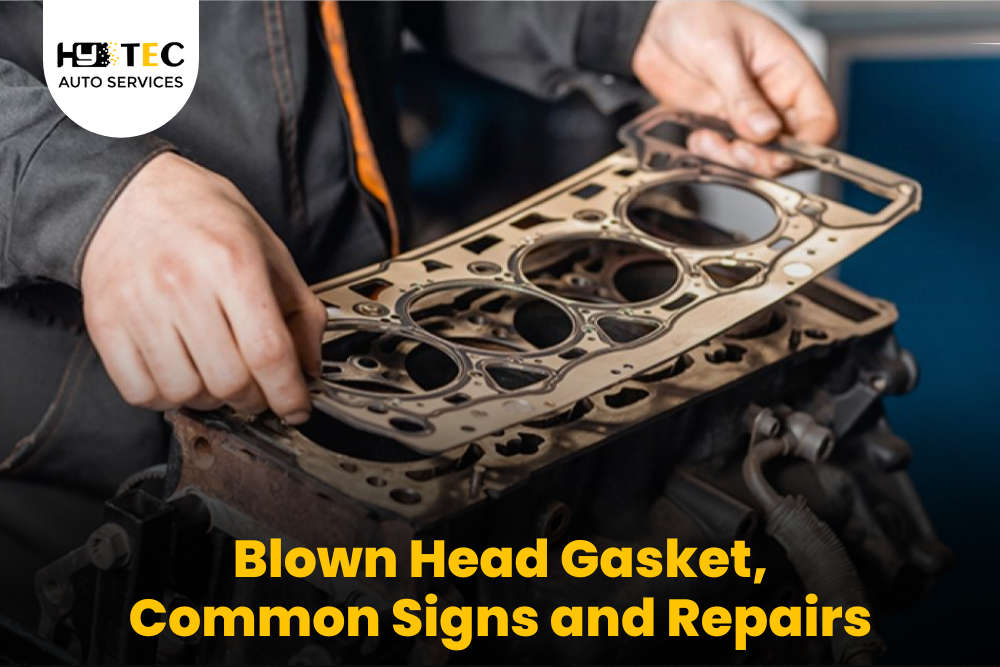
Suspect blown head gasket in your car? There is a simple way to confirm or deny your suspicions, you should look under the oil filler cap. If the gasket is intact, the inside of the oil cap should be relatively dry with possibly a small amount of engine oil inside. However, if you find a milky brown-yellow substance that is roughly the color and consistency of a chocolate milkshake, you may have a head gasket leak.
This milky substance is more like an emulsion, which is oil that has mixed with the coolant and is leaking through the head gasket. Contaminated engine oil cannot properly protect your engine from friction or heat, so the head gasket will need to be replaced. Another possible sign could be gas leaks or leaks where the head meets the cylinder block. Below we will consider the signs by which it can be identified.
6 Signs of a Blown Head Gasket
1. Excessive White Exhaust Smoke:
A clear sign of a bad head gasket. Normal exhaust smoke is clear, and fuel-rich exhaust is black. However, the coolant is burning white. The head gasket helps ensure proper coolant flow through the engine’s cooling passages, which run right next to the engine’s combustion chambers. If this head gasket leaks, coolant can leak into the combustion chambers, where it burns along with the fuel.
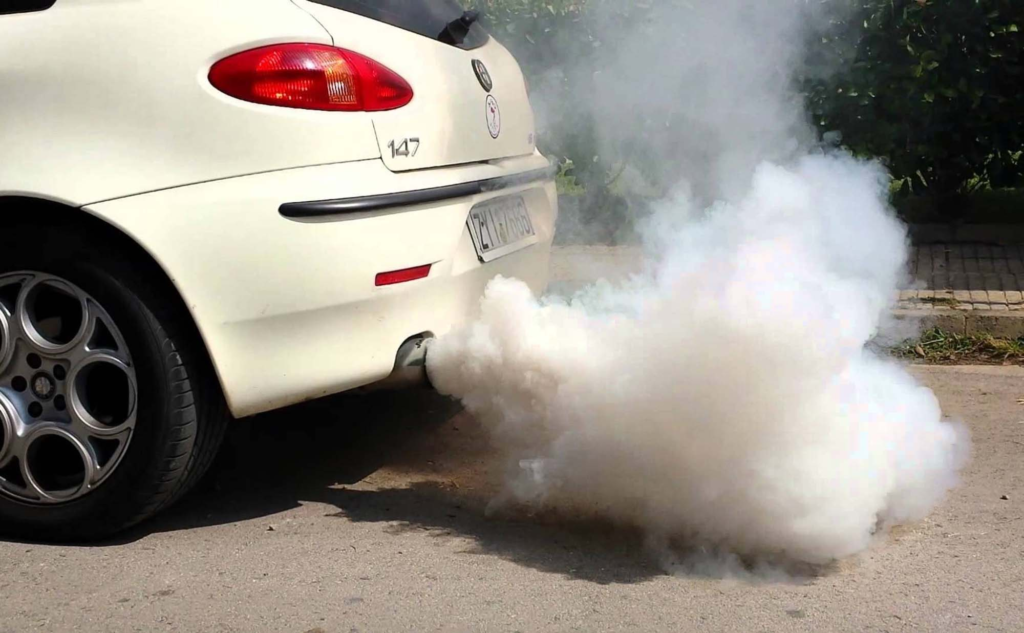
It is important to note that the presence of white smoke does not automatically mean that you have a bad head gasket. A small amount of white smoke is typical of condensation that has collected in cool weather.
2. Unexplained Loss of Coolant:
The main purpose of a head gasket is to keep all the coolant in the engine passages, but when there is a leak, the coolant goes where it shouldn’t. The first sign of a problem is that your coolant level keeps dropping.
If you notice that the coolant is dropping lower and lower from the level, first check for an external leak. If you can’t find one, the culprit is most likely a bad head gasket.
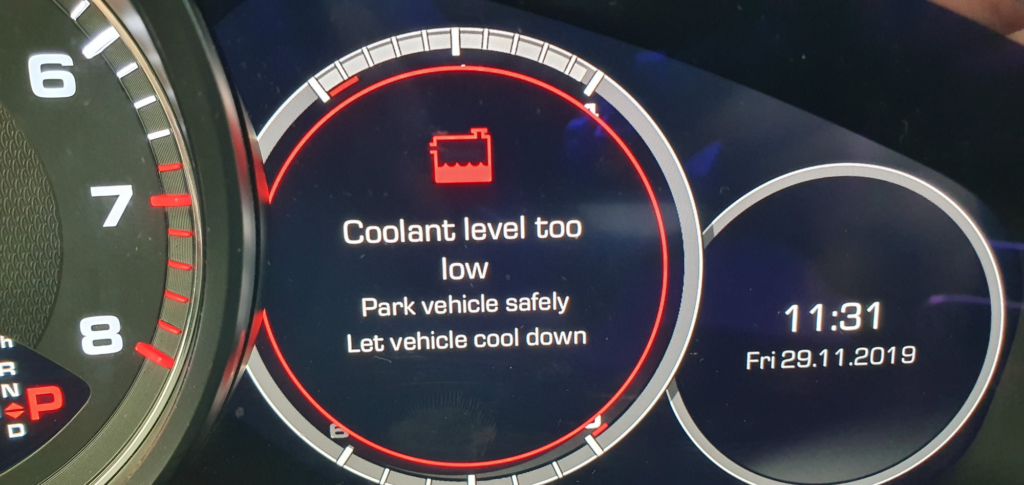
Important Note: At an early stage the engine often works stably, the coolant leaves slowly, but after some time the defect becomes more serious. In some cases, abundant coolant entering the cylinders can lead to a hydraulic shock, since the antifreeze or antifreeze in the cooling system contains about 40-50% distilled water.
You May Need The EXPERT CAR HEAD GASKET REPAIR IN DUBAI
3. Difference in Dark Brown and Milky Color:
Sometimes the cylinder head gasket will blow, allowing coolant to enter the combustion chamber. Other times, coolant will enter the oil passages. If this happens, the coolant will eventually mix with the oil, which will degrade some of the lubricating properties. And it will quickly destroy your engine.
The easiest way to check if the coolant mixes with the oil is to pull out the dipstick. If the oil mixes with the coolant, you can tell by the color of the coolant and the freshness of the oil. As oil is used, it will turn black, but if it turns dark brown instead of black, chances are coolant is mixing with your oil. However, if it is more of a milky brown color and you still have coolant, then the oil simply hasn’t been used.
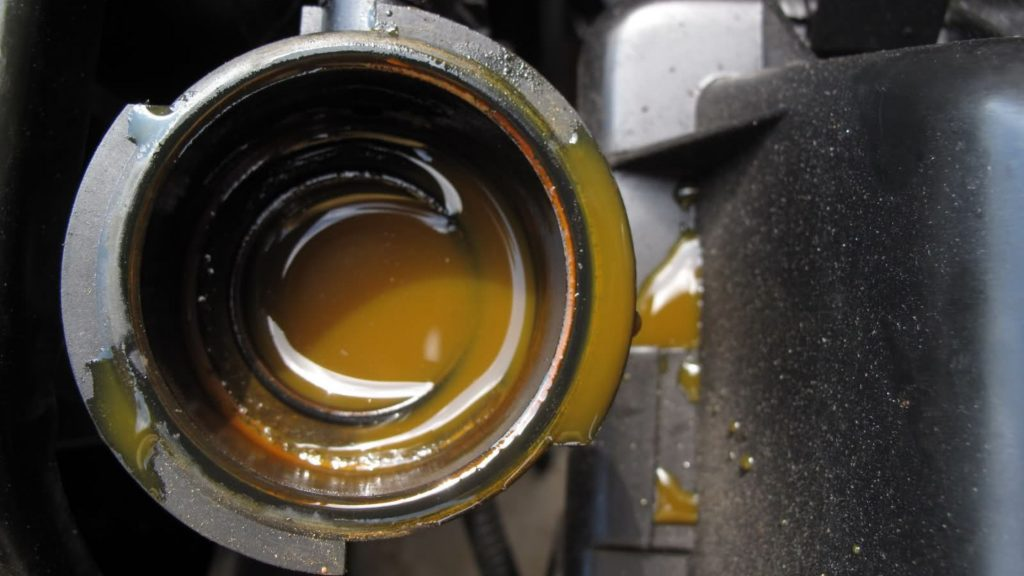
Different colored coolants affect how dark the coolant will become. Red and orange coolants will make the oil darker than green coolants. Any coolant in the oil is a problem, regardless of color. Coolant can enter the oil system in two ways: through the cylinder head gasket, and also if a crack appears in the cylinder block. Liquid from the cooling system dilutes the engine oil, which leads to a significant deterioration in its protective properties.
4. Engine Overheating:
The main purpose of antifreeze is to cool the engine. Too little coolant means a hotter engine, and if the engine gets too hot, it can overheat. But the problem can be twofold if coolant gets into the oil. One of the little-known properties of the oil in your engine is its cooling effect. Mixing coolant and oil reduces these abilities, causing the engine to overheat much faster.
Engine overheating may be minor, but most modern cars have sensors that automatically shut off the engine if it gets too hot. That is why Hytec Auto Garage is providing reliable engine overheating repairs in Dubai.
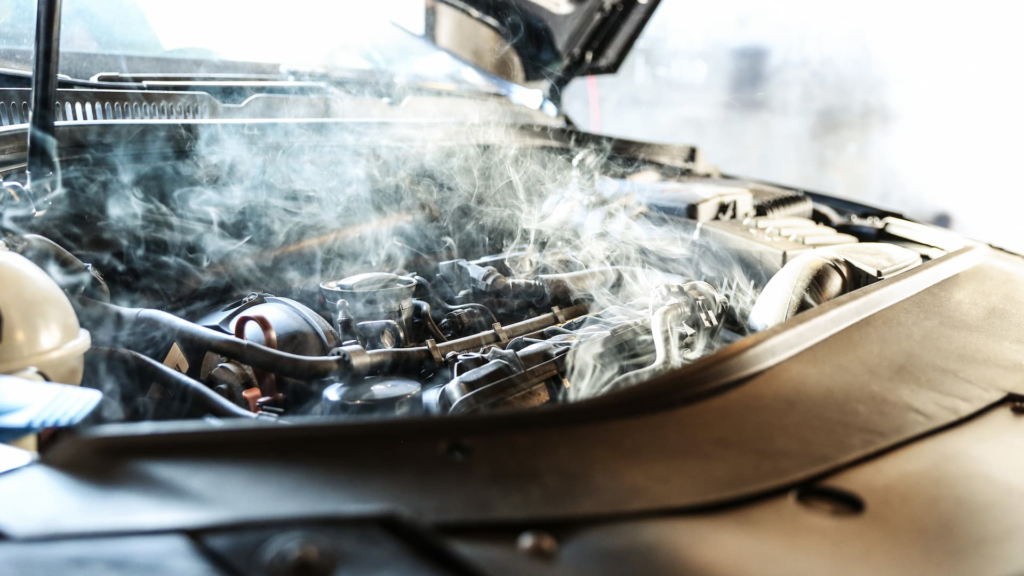
Head gasket leaks can be caused by engine overheating. When metal engine parts get too hot, they can warp and swell, which can cause them to break away from their gaskets and seals, causing leaks. But because the head gasket ensures proper coolant flow through the engine, a head gasket leak will also often cause the engine to overheat.
5. Bubbles in the Radiator or Coolant Reservoir:
Head gaskets not only keep coolant where it belongs, but they also keep everything else out. Most often, air and exhaust pass through the hole. Once in the cooling system, the gaseous mixture has to go somewhere, and the easiest way out is through the radiator cap or coolant overflow hose.
You will only be able to see bubbles when the engine is running. It is worth adding that if the cylinder head gasket burns out, mixing of exhaust gases and fuel-air mixture in adjacent cylinders may occur between the combustion chambers. Most often, the malfunction manifests itself in the form of unstable operation of a cold engine, which normalizes after warming up.
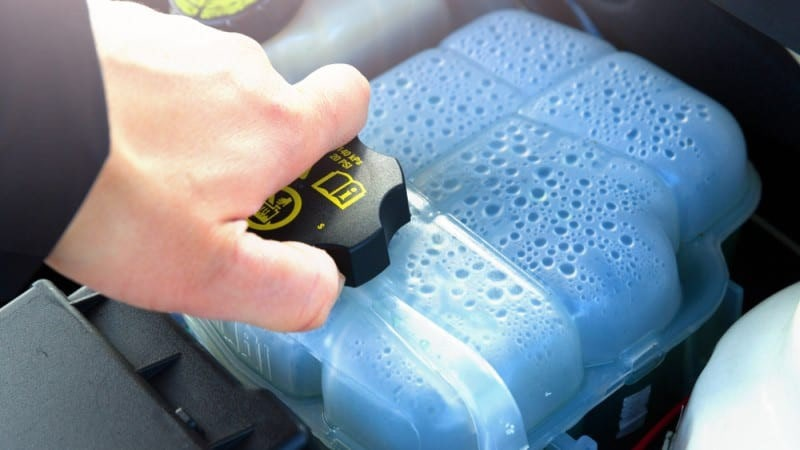
The specified failures in the operation of the internal combustion engine can be caused by various malfunctions. As for checking the gasket, for accurate diagnostics, it is necessary to measure the engine compression. If a similar drop in compression is observed in adjacent cylinders, then a defective cylinder head gasket is quite likely.
6. Rough Idle:
A head gasket can fail not only between the coolant passages and the combustion chambers but also between the two combustion chambers. Your engine is designed to maintain high levels of pressure inside each cylinder for maximum power and efficiency. If the head gasket fails, the engine will not be able to maintain pressure properly and the engine will not run properly.
It is more difficult to diagnose a breakdown or a blown head gasket if the defect is localized between the cylinders. Suppose the cylinder head gasket has burned out. In that case, the symptoms, in this case, may not be visible on the outside, and the problem itself is accompanied only by indirect signs: increased fuel consumption, the engine runs unstably and trout, and a drop in power is noted.
Conclusion: Head Gasket Repair at Hytec Auto Garage
You may have encountered the mentioned signs of the blown head gasket in your car. There is always a solution for every car issue. Hytec Auto Garage is on the top for providing the best Car repair services in Dubai and can encounter any repair issues with your car at a fair price. Some of the best Head Gasket Repairs that Hytec provides are:
- Comprehensive diagnosis
- Head Gasket Replacement
- Cylinder head resurfacing
- Pressure testing
- Coolant system flush
- Torque specifications